

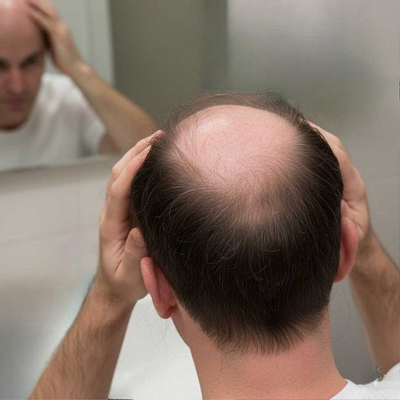
Hair loss affects millions of people worldwide, impacting self-esteem and quality of life. At Hair Transplant Clinic Islamabad, Dr. Naveed and our hair restoration team work with patients daily who ask: “What is the biggest factor for hair loss?”
While multiple factors contribute, understanding the primary causes is the first step toward effective treatment. This comprehensive guide explores the leading causes of hair loss and how to address them.
Quick Facts About Hair Loss |
|
|
|
What Is the Biggest Factor for Hair Loss?
The #1 Factor: Genetics (Androgenetic Alopecia)
Androgenetic alopecia, commonly known as male or female pattern baldness, is responsible for 95% of all hair loss cases in both men and women.
How It Works:
- Genetic Predisposition: Inherited sensitivity to dihydrotestosterone (DHT)
- DHT Effect: Shrinks hair follicles over time (miniaturization)
- Pattern: Follows predictable patterns (receding hairline, crown thinning in men; diffuse thinning in women)
Characteristics:
- Gradual progression over years or decades
- Family history of similar hair loss
- Miniaturized hairs (thinner, shorter, lighter)
- Permanent loss if untreated
Other Major Contributing Factors
While genetics (androgenetic alopecia) is the single biggest factor for hair loss in most cases, multiple elements often work together to cause or accelerate thinning. The key to effective treatment is accurate diagnosis of all contributing factors.
1. Hormonal Changes & Imbalances
- Pregnancy, childbirth, menopause
- Thyroid disorders (hypothyroidism/hyperthyroidism)
- Polycystic ovary syndrome (PCOS)
2. Medical Conditions & Treatments
- Alopecia areata (autoimmune condition)
- Scalp infections (ringworm)
- Chronic illnesses (diabetes, lupus)
- Cancer treatments (chemotherapy, radiation)
3. Nutritional Deficiencies
- Iron deficiency (most common in women)
- Vitamin D, B12, zinc deficiencies
- Protein malnutrition
- Rapid weight loss
4. Stress & Trauma
- Telogen effluvium (stress-induced shedding)
- Physical trauma (surgery, accident)
- Emotional stress
5. Hair Care Practices
- Traction alopecia (tight hairstyles)
- Chemical treatments (bleaching, perming)
- Heat styling damage
6. Medications
- Blood thinners
- Antidepressants
- Beta-blockers
- Acne medications (isotretinoin)
7. Age
- Natural aging process
- Reduced hair follicle regeneration
- Thinner hair shafts
How do we determine our specific hair loss factor?
At Hair Transplant Clinic, Dr. Naveed Azhar uses a comprehensive approach:
- Medical History Review: Family history, medications, health conditions
- Physical Examination: Pattern assessment, pull test, scalp inspection
- Trichoscopy: Magnified scalp imaging to assess follicle health
- Blood Tests: Check for hormonal imbalances, nutritional deficiencies
- Scalp Biopsy: Rarely needed for complex cases
Treatment based on the causes of hair loss
| Primary Factor | First-Line Treatments | Advanced Options |
| Genetic (Androgenetic) | Minoxidil, Finasteride, PRP | Hair Transplant, Low-Level Laser Therapy |
| Hormonal | Hormone regulation, Thyroid medication | Combined with topical treatments |
| Nutritional | Supplementation, Dietary changes | Monitor and maintain levels |
| Stress-Induced | Stress management, Time | Usually self-resolving |
| Medical | Treat the underlying condition | Hair regrowth post-treatment |
| Traction/Cosmetic | Change hairstyles, Avoid chemicals | PRP, Minoxidil for regrowth |
The Biggest Factor vs. Contributing Factors
It’s important to understand that hair loss often results from multiple factors:
- Primary Factor: Usually genetics (if present)
- Contributing Factors: Stress, nutrition, hormones, medications
- Accelerating Factors: Poor hair care, smoking, and untreated medical conditions
Example: A man with genetic predisposition + high stress + iron deficiency will experience more rapid hair loss than with genetics alone.
Prevention and Early Intervention
What You CAN Do:
- Early Consultation: See a specialist at first signs of thinning
- Healthy Lifestyle: Balanced diet, regular exercise, stress management
- Gentle Hair Care: Avoid tight styles, minimize heat/chemical treatments
- Medication Adherence: If prescribed, use consistently
- Regular Monitoring: Annual check-ups for ongoing conditions
Price of hair loss treatments at Hair Transplant clinic Islamabad:
| Procedure | Estimated Cost Range (PKR) |
| Hair Transplant | 95,000 to 160,000 |
| PRP Hair Therapy | 10,000 to 25,000 |
| Exosomes Hair Therapy | 130,000 |
Factors affecting the cost:
- Extent of hair loss.
- Your desired results.
- Technique used.
Why Choose Hair Transplant Clinic for Hair Loss Treatment?
- Expert Diagnosis: Dr. Naveed accurately identifies the primary cause
- Comprehensive Approach: Addresses both primary and contributing factors
- Advanced Treatments: From medications to PRP to hair transplantation
- Personalized Plans: Tailored to your specific cause, pattern, and goals
- Proven Results: High patient satisfaction with natural-looking outcomes
- Continued Support: Long-term follow-up and maintenance guidance
At Hair Transplant Clinic Islamabad, Dr. Naveed specializes in identifying the root causes of hair loss and creating personalized treatment plans that address both the primary factor and any contributing elements. Whether through medication, PRP therapy, or hair transplantation, we offer solutions for every stage and type of hair loss.
If you’re experiencing hair thinning or loss, don’t guess the cause. Contact us for a comprehensive evaluation and start your journey to restoring your hair and confidence today.
Frequently Asked Questions
Is hair loss from my mother's or father's side?
Both contribute. The myth that it's only from the mother's side is false.
Can washing hair daily cause hair loss?
No, it only removes hairs already destined to fall out.
At what age does genetic hair loss start?
Can begin as early as late teens, but typically starts in 20s-30s for men, 40s-50s for women.
Can hair loss be reversed?
Genetic hair loss can be slowed/stopped, and transplanted hair is permanent. Other types often fully recover with treatment.
Do hair loss shampoos work?
Some may help with scalp health, but cannot stop genetic hair loss.
How long before I see results from treatment?
Minimum 3-4 months for medications, 6-12 months for full transplant results.
Is a hair transplant effective for all types of hair loss?
Best for genetic hair loss with a stable donor area. Not for diffuse unpatterned loss.