
Transplantation is the process of moving tissue from one place to another. It can be done within the same body. It can also be done between different bodies or even different species. There are four main types of transplants. Each has its own uses, advantages, and risks.
This article explains the four types in simple terms. Understanding them helps you know where your hair transplant in Islamabad fits in.
Types of Hair Transplant Grafts
Type 1: Autograft
An autograft is tissue taken from one part of your body and moved to another part. The word “auto” means self. You are both the donor and the recipient.
Because the tissue comes from your own body, there is no risk of rejection. Your immune system recognizes the tissue as you. You do not need anti-rejection medications.
Examples of autografts include:
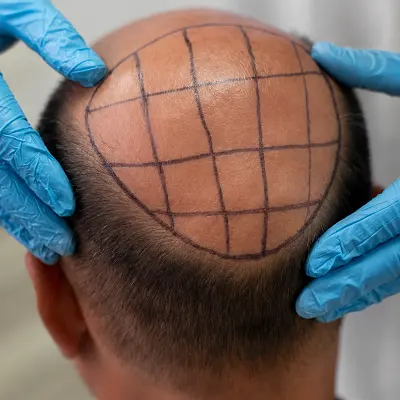
Hair transplant are a common autograft. Hair follicles are taken from the back of your scalp. They are moved to balding areas. The transplanted hair is permanent.
Skin grafts are another example. Skin is taken from one area of the body. It is used to cover a burn or wound on another area.
Bone grafts also use autografts. Bone is taken from your hip. It is used to repair a fracture or defect in another bone.
The main disadvantage of an autograft is that you need a second surgical site. This means more pain and longer recovery. But the results are excellent.
Type 2: Allograft
An allograft is tissue taken from one human and given to another human. The word “allo” means other. The donor is usually a deceased person. Sometimes living donors are used for certain tissues.
Allografts are very common in medicine. The main risk is rejection. Your immune system may attack the foreign tissue. Patients take medications to prevent this.
Examples of allografts include:
Cornea transplants are allografts. The clear front part of the eye is transplanted to restore vision.
Bone grafts often come from tissue banks. These bones come from deceased donors. They are used in orthopaedic and dental surgeries.
Heart valves from donors are also allografts. They are used to replace damaged valves.
Skin allografts are used as temporary coverage for severe burns.
The advantage of allografts is that no second surgical site is needed on the patient. The disadvantage is the risk of rejection.
Type 3: Isograft
An isograft is tissue taken from one identical twin and given to the other twin. The word “iso” means same. Identical twins have the same genetic makeup.
Because the twins are genetically identical, there is no risk of rejection. The recipient’s immune system sees the tissue as its own. No anti-rejection medications are needed.
Isografts are very rare. They only apply to identical twins. Very few people have an identical twin.
Kidney transplants between twins are the most common example of an isograft. The success rate is very high.
The advantage is no rejection and no need for lifelong medications. The disadvantage is that isografts are only possible for identical twins.
Type 4: Xenograft
A xenograft is tissue taken from one species and given to a different species. The word “xeno” means foreign. Most xenografts used in medicine come from pigs or cows.
Xenografts are not used for permanent transplants in humans. The risk of rejection is very high. The human immune system attacks the foreign tissue strongly.
Instead, xenografts are used as temporary covers or for research.
Examples include:
Pig skin is sometimes used as a temporary bandage for severe burns. It protects the wound while the patient’s own skin grows back.
Cow heart valves have been used in humans but are less common now. They can be treated to reduce rejection risk.
Scientists are working on genetically modifying pigs. The goal is to make pig organs that humans do not reject. This is still experimental.
Comparing the Four Types
| Type | Source | Rejection Risk | Need for Medication | Common Use |
| Autograft | Your own body | None | None | Hair transplant, skin graft |
| Allograft | Another human | Moderate | Yes | Cornea, bone, heart valve |
| Isograft | Identical twin | None | None | Kidney transplant |
| Xenograft | Different species | Very high | Yes (experimental) | Temporary burn cover |
Why Is Autograft the Gold Standard for Hair Transplants?
Autograft is considered the best option when possible. There is no risk of rejection. No anti-rejection medications are needed. The tissue is a perfect match because it is your own.
Hair transplants are autografts. Your own hair follicles are moved from one area of your scalp to another. This is why transplanted hair is permanent. Your body accepts the follicles as its own.
Cost of Hair Transplant in Islamabad
| Procedure | Price Range (PKR) |
| FUE Hair Transplant | 95,000-1,60,000 |
| FUT Hair Transplant | 95,000-1,60,000 |
The price of hair transplant surgery in Islamabad varies depending on the following factors:
- Type of hair transplant treatment chosen
- No of grafts needed
- Extent of baldness.
- Hospital or clinic facilities
Why Choose Hair Transplant Islamabad for Hair Transplant
- Dr. Naveed Azhar performs autograft hair transplants with 20+ years of experience.
- The follicles come from your own scalp.
- There is no risk of rejection.