
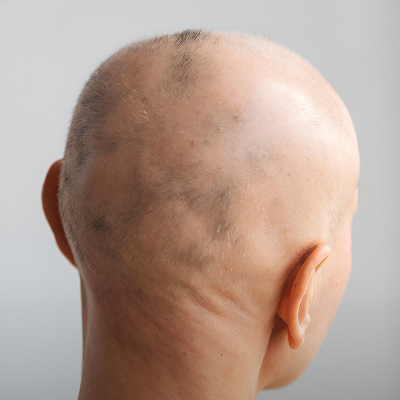
Loss of hair after the age of 30 is extremely normal in both males and females. Hormonal fluctuations, genes, stress, and lifestyle at this age usually start to influence hair growth. A common question many people ask is, Is Hair Growth Possible After Age 30, especially since it’s widely believed that once someone passes 30, no more hair can grow. This is, however, not entirely true. Even with the latest hair restoration treatments, hair growth can still be improved and visible results can be achieved. The proper treatment plan is capable of restoring lost thickness and preventing further hair loss..
Why Does Hair Start to Fall After 30 Years?
The body also experiences a slow change of hormones after its 30th birthday, which may interfere with the natural process of hair growth. DHT is genetically sensitive, and hair follicles would shrink with age, resulting in thinning hair. Inadequate nutrition, sleep deprivation, and sustained stress undermine the hair roots and accelerate shedding. There are some medical disorders and drugs that can accelerate the loss of hair.
Is Hair Growth Possible After Age 30?
Yes, hair can grow in most individuals as young as 30, provided that one starts the treatment early enough. Weak follicles of hair may often be revived by proper care. The result is based on the level of hair loss and the adherence to the treatment. Non-surgical modes are effective in cases of mild to moderate thinning, whereas surgical procedures are effective in cases of severe hair loss. A professional can help in identifying the most appropriate way.
Things to Consider Before Getting Hair Regrowth Treatment at 30
One should be realistic before embarking on any hair restoration treatment. Not all scalps respond in a similar way, and results will take time before they show. Medical history, family history of baldness, and daily habits are some of the factors that have a significant role to play in success. Among the major aspects to be taken into account, one should mention:
- Family history of baldness
- Overall scalp condition
- Commitment to follow-up care
- Maintenance and cost of treatment.
- Lifestyle issues, including stress and smoking.
All these factors put into consideration help in developing a realistic and effective treatment plan. It also avoids unrealistic expectations. An effective consultation will explain the results that can be attained. This is facilitated by open communication. Preparations will result in increased satisfaction.
Non-Surgical Hair Regrowth Options After Age 30
Non-surgical treatment is usually prescribed for early-stage hair thinning and progressive loss of hair. Oral medication helps to slow down the shrinkage of the follicles and prevent the loss of available hair.
- PRP: PRP treatment involves the use of platelets in your own blood that enhance blood flow in the scalp and activity in the follicles.
- Exosomes: Exosome therapy introduces regenerative particles that help in restoring damaged follicles and contribute to healthier hair growth.
These are treatments that demand frequent use and follow-ups. They give a natural-looking enhancement as opposed to a dramatic enhancement. Hair on completely bald parts cannot be fixed using non-surgical methods. It is usually better to combine various therapies. Maintenance in the long term is important in order to have a lasting result.
Surgical Hair Regrowth Options After Age 30
Hair surgery is suggested in case of advanced hair loss or permanent balding. Transplantation of hair involves the transfer of healthy follicles from the donor areas to the thinning or balding areas of the head. The contemporary methods form natural-looking hairlines that are of permanent density. The result is slow as the hair that has been transplanted grows naturally.
The three prominent transplant methods are FUE, FUT, and DHI.
- FUE, which is used to extract individual follicles, has small scars that heal within a short period, which is why it is appropriate when a person wants to have a short hairstyle.
- FUT involves shaving a large scalp piece to extract as many grafts as possible, and a linear scar remains under hair cover.
- DHI involves a pen-like apparatus that is able to insert the follicles directly into the head, enabling it to be placed accurately and with minimum handling.
When performed well, surgical treatments are long-term positive. Their use is in individuals whose hair loss is stable and those who have healthy donor hair. The initial cost is higher, but it is deemed to be a long-term solution by many. Graft survival needs proper aftercare. Follow-up serves to provide good density and healthy growth.
The Reason to Select the Right Clinic
Find those clinics that provide complete consultations, adequate diagnostic assessments, and prescribe treatment. Reliable clinic Hair Transplant Pakistan is concerned with customized plans, not a single plan. Clear recovery instructions and transparent pricing reflect quality care. There is a sense of confidence that develops in a professional environment.
Make Your Hair Growth Appointment
Hair restoration after 30 requires professional advice. The precise examination helps in deciding which one of the surgeries or non-surgical procedures is appropriate. To obtain the latest treatments and professional treatment at Hair Transplant Islamabad, make a consultation appointment now. Dr. Naveed Azhar can talk to you about your goals and treatment options. reserve to-day and start making your hair healthier and fuller.