
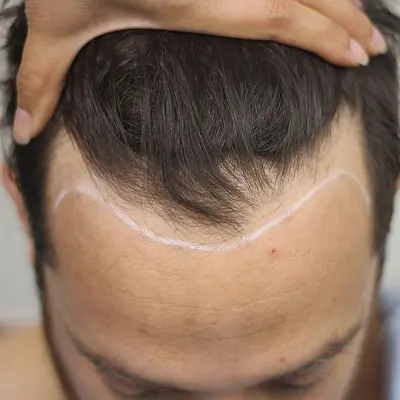
Surgical hair restoration is the preferred method for men suffering from pattern baldness and thinning hair. The results of advanced methods are very effective, permanent, and natural-looking. But despite the high level of success and popularity, surgical restoration is not an option for all people who suffer from hair thinning. In which cases is a hair transplant not suitable? Understanding who is not an ideal candidate ensures patient safety and prevents disappointing cosmetic results. Here is an essential guide detailing when a surgical hair restoration procedure is not suitable.
Major Causes of Hair Loss In Pakistan
- Genetics
- Hormonal Shifts
- Nutritional Deficiencies
- Chronic Stress
- Medical Conditions
- Medication Side Effects
- Harsh Hair Styling
In Which Cases is a Hair Transplant Not Suitable?
1. Insufficient Donor Hair Supply
All the success of surgical hair transplant depends on how you transfer your existing hair to the new hair area. The hair follicles are taken from a “donor site” (usually the back or sides of the head) and transplanted to areas of baldness.
Patients with severe and advanced hair loss may not have sufficient healthy follicles to regenerate the balding areas. The lack of available donors makes it mathematically impossible to achieve satisfactory densities. If an already thinned donor site is used for any surgical procedure, there is only going to be a general thinness and scarring in the area that was thinned.
2. Diffuse Unpatterned Alopecia (DUPA)
While a typical male pattern baldness leaves a ring of hair around the back of the head, it leaves hair thinning evenly across the entire scalp in Diffuse Unpatterned Alopecia. People with DUPA do not have a stable donor zone. Hair at the back of the head is also at risk of balding, so when transplanted here, these unstable hairs will eventually go away.
3. Active Autoimmune & Scalp Diseases
However, for some underlying medical and dermatological ailments, it is extremely unsafe for surgery:
- Alopecia Areata: It is an autoimmune disorder in which the bodies immune system attacks healthy hair follicles in random places. However, a surgical transplant will not slow the immune response to shed newly transplanted grafts, since the inflammation can occur anywhere, at any time, on the scalp.
- Scarring Alopecia: Alopecia due to scarring of the skin tissues, such as Lichen Planopilaris (LPP) or Frontal Fibrosing Alopecia, where the hair follicles are destroyed. An active, inflamed scalp will result in a total scalp graft failure.
- Chronic Skin Conditions: During periods of active disease with skin conditions like psoriasis or severe dermatitis, there are greater risks for postoperative infections and slow wound healing.
4. Premature Age and Unstable Hair Loss Patterns
During initial consultations, age is an important factor to be taken into account. Generally, young people (under 25 years old) should be advised to wait. Hair loss is still in its formative years and unpredictable in early adulthood. The natural hairline will keep on receding behind the surgical site if the surgery occurs before the right time. This results in a patchwork appearance of hair with a natural look that will need complicated and costly corrective surgery later in life.
Discover Your Eligibility for a Hair Transplant
Any cosmetic procedure must be followed by a professional clinical evaluation. Skilled professionals don’t simply treat the baldness on the top of your head; they’re focused on the underlying cause of the problem. At Hair Transplant Islamabad, for example, a long-term perspective on follicular health before opting for quick fixes helps ensure that patients are not subjected to unnecessary surgical risks.
| Good Candidate | Unsuitable Candidate |
| Normal donor hair density Genetic hair loss, balding, and thinning Clear expectations of cosmetics Good systemic physical health | Diffuse hair thinning (DUPA) Certain autoimmune diseases of the scalp Uncontrolled shedding No chronic wound healing disorders |
The board-certified professionals, such as Dr Naveed Azhar, make a detailed scalp analysis to get a clear picture of the donor density and measure the availability of grafts. Diseases or any condition that can’t be corrected with a hair transplant will be clearly stated by the ethical transplant professional. Rather, they’ll provide alternative clinical solutions.
Alternative Solutions for Unsuitable Candidates
If surgery is not considered, there are a few medical treatments that can help control the hair loss:
- Exosome Therapy: Exosomes are naturally produced by cells, especially stem cells, and are tiny vesicles enclosed in cell membranes, measuring between 30 and 150 nanometres across.
- Platelet-Rich Plasma (PRP) Therapy: This non-surgical hair transplantation option takes advantage of your body’s growth factors to boost circulation and increase blood flow to individual hair follicles.
- Scalp Micropigmentation (SMP): A unique cosmetic tattooing method for the look of real, short hair to hide balding areas.
Book Your Detailed Consultation With Us!
Success is dependent on clinical honesty. The best way to protect your health and your wallet is to let your scalp be dealt with by the Master, the board-certified plastic surgeon. The renowned specialists like Dr Naveed Azhar have a strong conviction in medicine to reject a mismatch of patients.
To get an accurate diagnosis and a clear and honest plan of treatment, you can go to a well-known place like Hair Transplant Islamabad and get a treatment plan that is customized to your particular physiological requirements.